
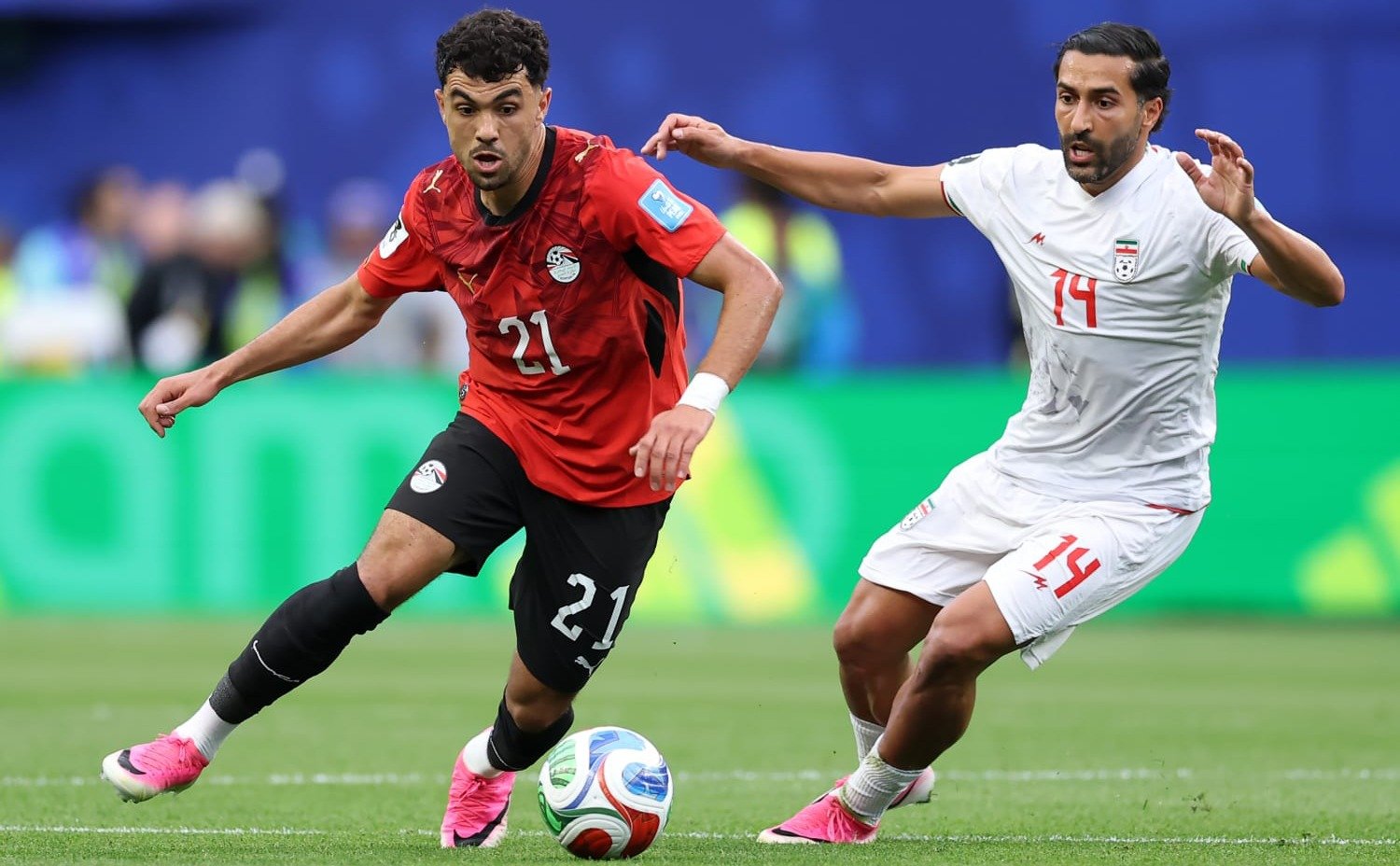
Egypt and IR Iran played out a hard-fought 1-1 draw at the Seattle Stadium on June 27, 2026, in a Group G encounter that showcased attacking intent, defensive resilience, and the fine margins that define FIFA World Cup™ football. Early goals from Mahmoud Saber and Ramin Rezaeian set the tone for a match that could have gone either way, with both teams creating enough chances to secure victory.
First Half: Rapid-Fire Goals Set the Stage
The match exploded into life within the opening quarter-hour, with both teams finding the net in quick succession. Mahmoud Saber gave Egypt the perfect start in the 5th minute, finishing a well-worked move to put the Pharaohs ahead. The early goal settled Egyptian nerves and allowed them to play with confidence, controlling possession (55% overall) and dictating the tempo.
However, Iran responded immediately. Ramin Rezaeian restored parity in the 14th minute, capitalizing on a defensive lapse to fire home and bring Team Melli level. The equalizer shifted momentum and set the stage for an entertaining contest.
The remainder of the first half saw both teams create chances, with Egypt enjoying territorial dominance (8 corners to Iran’s 2) and Iran threatening on the counter-attack. The score remained 1-1 at halftime, with both sides having legitimate claims to have been leading.
Second Half: Chances Come and Go
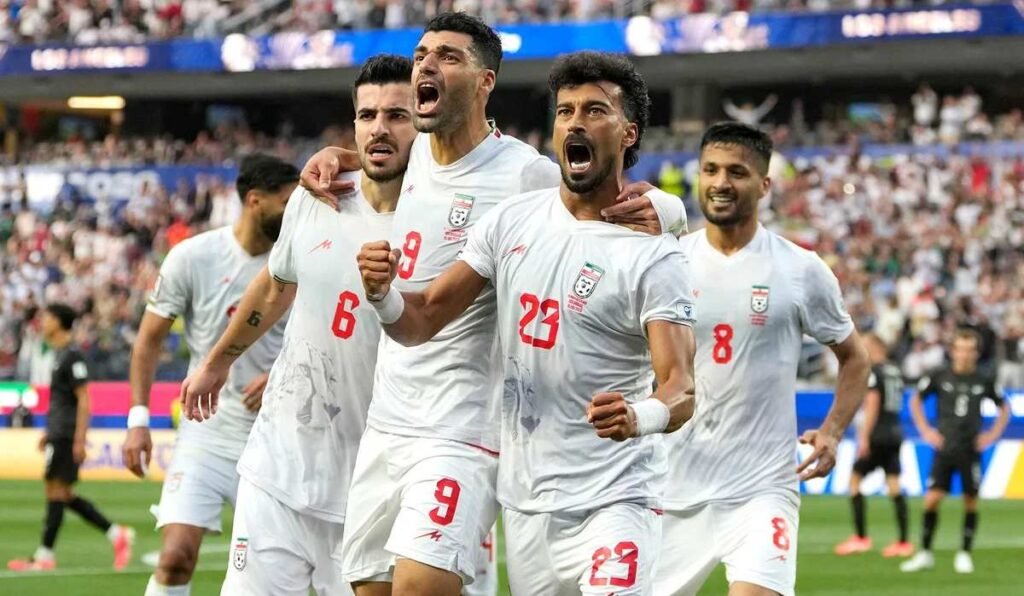
The second half was a chess match, with both teams pushing for a winner while remaining cautious defensively. Egypt continued to dominate possession (55% overall) and created numerous opportunities, registering 15 total attempts with 3 on target. Iran, meanwhile, were dangerous on the break, matching Egypt’s 3 shots on target from 13 attempts.
Set pieces were a significant factor, with Egypt earning 19 free kicks to Iran’s 10. The Pharaohs’ 8 corners compared to Iran’s 2 highlighted their attacking pressure, but the Iranian defense held firm, with disciplined defending and crucial interventions.
The match ended 1-1, a result that keeps both teams in contention for knockout qualification. However, both will feel they could have done more to secure all three points.
Statistical Analysis
| Statistic | Egypt | IR Iran |
|---|---|---|
| Final Score | 1 | 1 |
| Possession | 55% | 37% |
| Total Shots | 15 | 13 |
| Shots on Target | 3 | 3 |
| Corners | 8 | 2 |
| Passes Completed | 526 | 271 |
| Yellow Cards | 3 | 4 |
| Red Cards | 0 | 0 |
| Offsides | 0 | 3 |
Player Performances
Mahmoud Saber (Egypt): The goalscorer was a constant threat, finding space in Iran’s defensive lines and finishing clinically when the opportunity arose. His early goal set the tone for Egypt’s performance.
Egypt’s Midfield Engine: Egypt’s possession dominance (55%) was built on a midfield trio that completed 526 of 601 passes (87.5% accuracy). Their ability to recycle possession and create chances was crucial, with 20 crosses (5 completed) and 8 corners forcing Iran to defend deep.
Defensive Solidity: Despite conceding the equalizer, Egypt’s defense showed resilience, limiting Iran to 13 attempts (3 on target) and forcing 30 turnovers.
Ramin Rezaeian (Iran): The goalscorer was a menace going forward, providing width and attacking thrust. His equalizer demonstrated Iran’s ability to exploit spaces when Egypt pushed forward.
Iran’s Defensive Organization: Team Melli completed 28 forced turnovers and showed discipline in defense, despite conceding possession (37% overall). Their offside trap was effective, catching Egypt offside 0 times while avoiding being caught themselves.
Set-Piece Defenders: Iran’s defensive unit handled Egypt’s 8 corners and 19 free kicks effectively, preventing the Pharaohs from converting their set-piece dominance into goals.
Attacking Comparison
Egypt’s Dominance: Egypt registered 15 total attempts with 10 off target, highlighting their ability to create chances but lacking precision in front of goal. Their 8 corners and 20 crosses (5 completed) demonstrate their attacking intent from wide areas.
Iran’s Efficiency: Iran managed 13 attempts with 3 on target, matching Egypt’s accuracy. Their 10 attempts inside the penalty area (compared to Egypt’s 8) suggest they were more effective at penetrating Egypt’s defensive lines.
Goal Contributions: Both teams scored from inside the penalty area, with Mahmoud Saber (Egypt) and Ramin Rezaeian (Iran) finding the net. Egypt registered 1 assist, while Iran’s goal was unassisted.
Passing and Possession
Egypt’s Control: With 601 passes attempted (526 completed at 87.5% accuracy), Egypt dominated possession and dictated the tempo. Their ability to recycle possession frustrated Iran and forced them to defend deep.
Iran’s Direct Approach: Iran attempted 364 passes (271 completed at 74.5% accuracy), often seeking to bypass Egypt’s midfield through direct balls and counter-attacks.
Defensive and Tactical Battle
Discipline Issues: Iran received 4 yellow cards to Egypt’s 3, reflecting their physical approach to disrupting Egypt’s rhythm. Both teams finished with no red cards, indicating disciplined defending despite the intensity.
Fouls Against: Egypt committed 11 fouls compared to Iran’s 16, suggesting the Pharaohs were more disciplined in their defensive approach.
Offside Trap: Iran were caught offside 3 times, demonstrating Egypt’s effective use of the offside trap to nullify counter-attacking threats.
Group G Implications
Egypt’s Strong Position
The draw leaves Egypt in a strong position in Group G. Their possession-based approach and attacking intent have been evident, and they will look to build on this result in their final group match. The Pharaohs’ ability to create chances (15 attempts, 8 corners) will give them confidence heading into the crucial group finale.
Iran’s Resilience Rewarded
For Iran, the draw represents a valuable point against a strong Egyptian side. Team Melli’s defensive organization and counter-attacking threat make them a dangerous opponent, and they will take confidence from matching Egypt’s shots on target (3 each) and limiting the Pharaohs’ scoring opportunities.
The Race for Knockout Qualification
Both teams remain in contention for qualification, with Group G finely poised. The result keeps the group competitive, and either side could still progress to the knockout stages with a positive result in their final match.
FIFA World Cup 2026 Match Schedule & Group Table is here.
Tactical Analysis
Egypt’s Possession-Based Control
Egypt’s 55% possession and 526 completed passes were key to their dominance. Key tactical elements included:
- Wide Attacks: Egypt’s 20 crosses (5 completed) and 8 corners highlighted their emphasis on attacking through wide areas and creating set-piece opportunities.
- Midfield Dominance: Egypt’s midfield trio controlled the tempo, completing passes at 87.5% accuracy and creating multiple chances.
- High Pressing: Egypt’s 30 forced turnovers showed their commitment to winning back possession quickly when they lost the ball.
Iran’s Defensive Resilience
Iran’s defensive organization kept them in the game, with key tactical elements including:
- Compact Defense: Iran sat deep, limiting Egypt’s ability to penetrate through central areas and forcing them to attack from wide positions.
- Counter-Attacking Threat: Iran’s 13 attempts (10 inside the penalty area) demonstrated their ability to exploit spaces on the break.
- Discipline: Despite receiving 4 yellow cards, Iran avoided red cards and maintained defensive shape throughout.
Player Spotlight
Mahmoud Saber’s Early Impact
Saber’s 5th-minute goal gave Egypt the perfect start and settled early nerves. His movement and finishing were of the highest quality, and his performance throughout the match showcased his importance to Egypt’s attacking setup.
Ramin Rezaeian’s Crucial Equalizer
Rezaeian’s 14th-minute strike was crucial for Iran, immediately canceling out Egypt’s opener and shifting momentum. His direct running and ability to find space caused Egypt problems throughout the match.
Goalkeeping Heroics
Both goalkeepers made vital saves to keep their teams in the game. Egypt’s goalkeeper denied Iran on multiple occasions, while Iran’s shot-stopper produced crucial interventions to prevent Egypt from taking the lead.
A Point Gained or Two Points Lost?
For Egypt, the 1-1 draw may feel like a missed opportunity given their possession dominance (55%) and attacking output (15 shots, 8 corners). However, a point against a resilient Iran side keeps them well-positioned in Group G and maintains their momentum heading into the crucial final group match.
For IR Iran, the draw is a valuable result against a strong Egyptian opponent. Team Melli’s defensive organization and counter-attacking threat were evident, and they will take confidence from matching Egypt’s shots on target (3 each). The point keeps Iran’s knockout hopes alive and sets up a decisive final group match.
As the tournament progresses, both teams will look to build on this performance and secure qualification for the knockout stages. The Group G race remains wide open, and the Seattle Stadium witnessed a match that showcased the quality and competitiveness of FIFA World Cup™ football.