
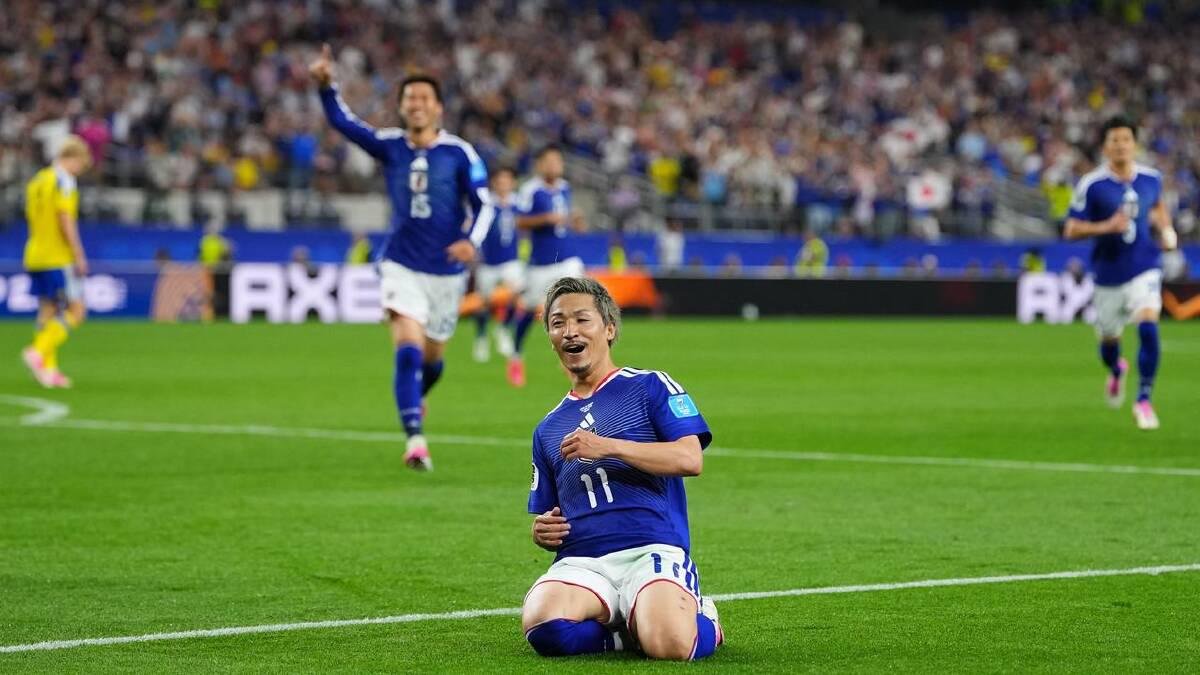
Dallas Stadium, Dallas – 26 June 2026, Japan and Sweden played out a compelling 1-1 draw in a tightly contested Group F encounter at the Dallas Stadium, with both teams sharing the points in a match that showcased tactical discipline and moments of individual brilliance. Daizen Maeda gave Japan the lead in the 56th minute before Anthony Elanga struck back for Sweden just six minutes later, ensuring the spoils were shared in a game that could have gone either way.
First Half: Tactical Chess Match
The opening period was a study in tactical discipline, with both sides canceling each other out. Possession was remarkably even, with both teams registering 44% possession (12% contested). The midfield battle was intense, with neither side able to assert sustained dominance.
Sweden registered 11 attempts at goal to Japan’s 8, with 5 shots on target compared to Japan’s 3. Their 8 corners to Japan’s 2 reflected their attacking intent, but they could not find a way past a resolute Japanese defense.
Japan’s defensive organization was impressive. Their 23 attempted defensive line breaks (to Sweden’s 10) and 8 completions (to Sweden’s 3) highlighted their aggressive approach to intercepting attacks. The 20 fouls committed by Japan to Sweden’s 11 reflected their physical approach, earning them 1 yellow card to Sweden’s 2.
The first half ended goalless, with both teams having created chances but neither able to find the breakthrough.
Second Half: Goals and Drama
The second half exploded into life. In the 56th minute, Japan took the lead through Daizen Maeda. The Japanese forward latched onto a precise through ball, outpaced the Swedish defense, and fired low past the goalkeeper to send the Japanese contingent into celebration.
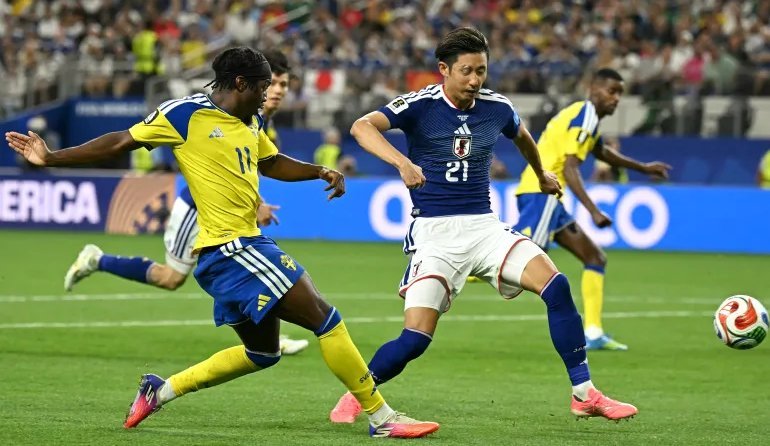
Sweden responded with characteristic resilience. Just six minutes later, in the 62nd minute, Anthony Elanga produced a moment of individual brilliance. The Swedish winger picked up possession on the left flank, cut inside past two defenders, and unleashed an unstoppable strike into the top corner. The Dallas Stadium erupted as Sweden leveled the scores.
Both teams pushed for a winner. Sweden continued to press forward, their 16 crosses to Japan’s 14 and 8 corners to Japan’s 2 reflecting their attacking intent. Japan responded with counter-attacks, their 104 offers to receive behind the defense and 7 receptions behind the defensive line demonstrating their threat on the break.
Neither side could find a winner. The final whistle confirmed a share of the points.
Statistical Analysis: A Tale of Two Styles
| Metric | Japan | Sweden |
|---|---|---|
| Possession | 44% | 44% |
| Total Shots | 8 | 11 |
| Shots on Target | 3 | 5 |
| Passes Completed | 381 | 330 |
| Passing Accuracy | 84% | 80% |
| Crosses | 14 | 16 |
| Corners | 2 | 8 |
Japan’s attacking efficiency was noteworthy. They registered 8 attempts with 3 on target, scoring 1 goal. Sweden managed 11 attempts with 5 on target, also scoring 1. Both teams were clinical when it mattered.
The defensive statistics highlighted Japan’s superiority in breaking lines. They completed 8 defensive line breaks from 23 attempts, compared to Sweden’s 3 from 10. This aggressive defensive approach disrupted Swedish rhythm and prevented sustained pressure.
Goal Summary
| Minute | Scorer | Team |
|---|---|---|
| 56′ | Daizen MAEDA | Japan |
| 62′ | Anthony ELANGA | Sweden |
Discipline and Physicality
The physicality of the match was evident in the statistics. Japan committed 20 fouls to Sweden’s 11, receiving 1 yellow card to Sweden’s 2. Japan also recorded 3 offsides to Sweden’s 2, reflecting their aggressive attacking approach.
Japan forced 42 turnovers to Sweden’s 37, while their 221 pressing actions compared to Sweden’s 201 demonstrated their intensity and work rate.
Man of the Match: Daizen Maeda
Daizen Maeda was the standout performer for Japan. His 56th-minute goal was a moment of clinical finishing that broke the deadlock and gave Japan the lead. His movement off the ball was exceptional, making 104 offers to receive behind the defense.
His energy and work rate were evident throughout, pressing from the front and disrupting Swedish build-up play. At 28 years old, Maeda is establishing himself as a key figure in this Japanese team.
FIFA World Cup 2026 Match Schedule & Group Table are here.
What This Result Means
The draw ensures both teams maintain their hopes of progressing from Group F. Japan remains in a strong position, while Sweden’s performance gives them confidence heading into their final group match.
For Japan, the result is a testament to their tactical discipline and resilience. They competed against a strong Swedish side and earned a valuable point.
For Sweden, the draw is a fair result in a match where both teams had chances to win. Elanga’s goal was a moment of brilliance, and they will take confidence from their attacking performance.
Looking Ahead
Japan will approach their final group match with confidence. Their defensive organization and counter-attacking threat make them a dangerous opponent. The performances of Maeda and the defensive unit will be crucial as they seek to secure qualification.
Sweden will be disappointed not to have secured all three points but will take positives from their performance. Their attacking intent, particularly through Elanga, will be crucial in their final group match.
Japan and Sweden’s 1-1 draw was a compelling encounter between two well-matched sides. Both teams showed quality and resilience, and the result reflects the fine margins that define top-level international football.
The FIFA World Cup 2026 continues to deliver drama and excitement. As the group stage reaches its conclusion, both Japan and Sweden remain in contention for qualification.
Final Score: Japan 1 – 1 Sweden