
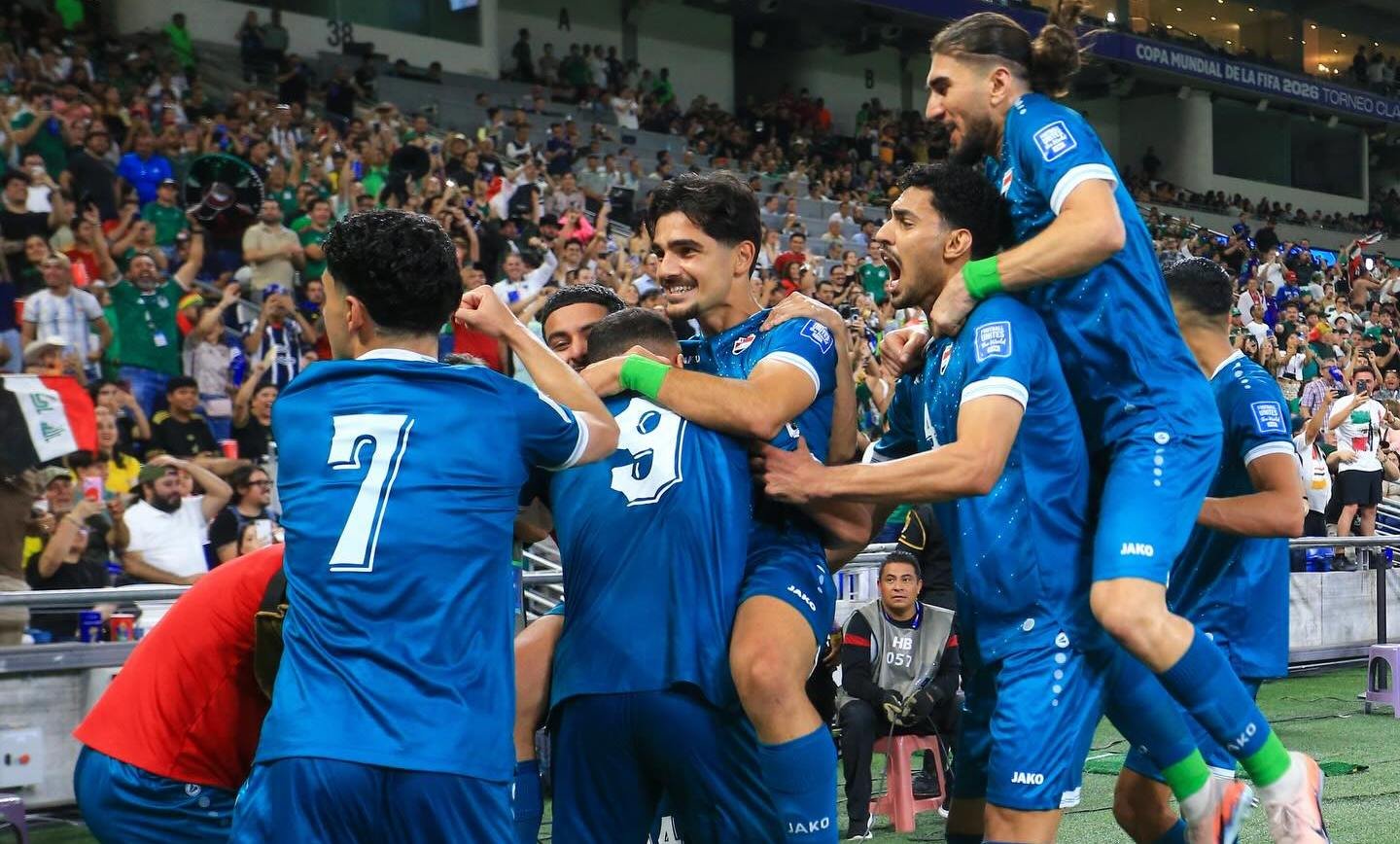
Iraq and Norway will take centre stage at Boston Stadium in a fascinating contrast of styles. Graham Arnold’s defensively disciplined Iraq face a Norway side that many pundits have tabbed as a potential dark horse for the tournament. It is a classic battle between resilience and firepower, and one that could define the group’s early shape.
Match Summary
| Category | Details |
|---|---|
| Competition | FIFA World Cup 2026™ |
| Stage | Group I – Match 18 |
| Match | Iraq vs Norway |
| Venue | Boston Stadium |
| Date | 16 June 2026 |
| Kickoff | 06:00 PM |
The Form Lines: Two Teams Heading in Opposite Directions
Norway enter the tournament in staggering form. Ståle Solbakken’s men have won 10 consecutive matches in all competitions, an extraordinary run that has seen them score 4.6 goals per game while conceding just 0.6. Even more impressively, each of their last four victories has come by a margin of two or more goals, underlining their ability to overwhelm opponents rather than scraping narrow wins.
Over a longer horizon, Norway have won 60% of their last 30 matches, averaging 2.43 goals scored and 1.1 conceded. They have avoided defeat in 29 of their last 36 fixtures, a consistency that marks them as one of the most reliable teams in international football heading into the World Cup.
Iraq’s form presents a different picture. Arnold’s side have won 50% of their last 10 matches, scoring just 0.9 goals per game while conceding 0.8. Those numbers point to a team built on defensive solidity rather than attacking flair. Iraq rarely become open, but their lack of attacking output means they will need exceptional efficiency in the final third to trouble a Norway side that has been ruthless in front of goal.
Tactical Battle: Can Iraq Contain the Haaland Factor?
Iraq’s primary task is clear: keep Erling Haaland quiet. The Manchester City striker is arguably the most feared goalscorer in world football, and Norway’s attacking structure is designed to feed him early and often. Iraq’s compact midfield block, anchored by Amir Al-Ammari and Osama Rashid, will be tasked with screening the defence and slowing Norway’s rhythm between the lines. Preventing early passes into Haaland and limiting Martin Ødegaard’s time on the ball will be essential to Iraq’s hopes.
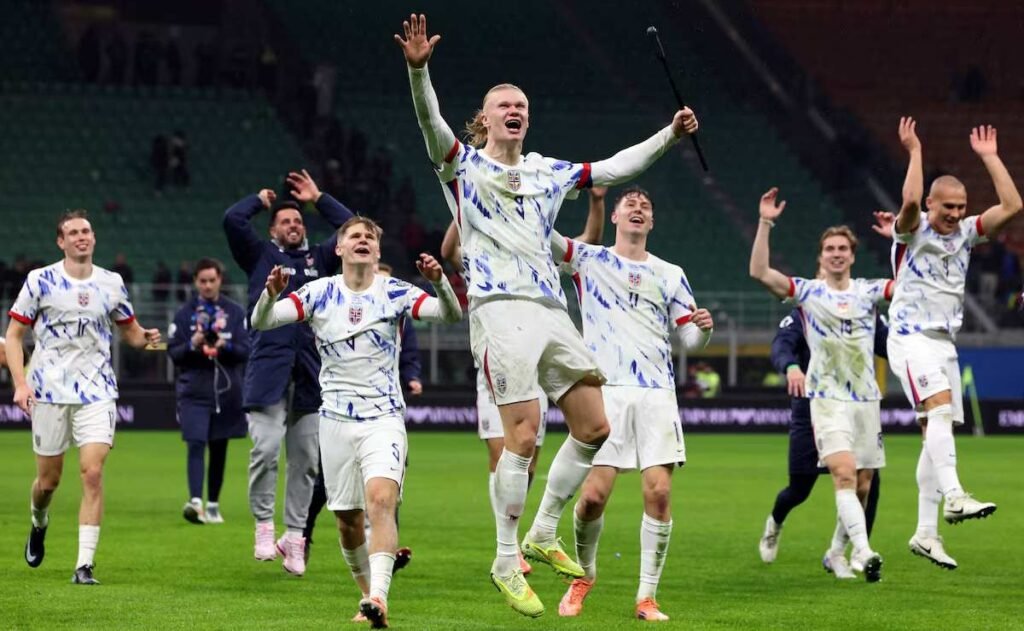
Norway’s attacking arsenal, however, extends beyond Haaland. Ødegaard’s vision and passing range allow him to dictate tempo and find gaps between defenders, while Alexander Sørloth provides a second physical presence alongside Haaland, occupying centre-backs and creating space for runners. On the flanks, Antonio Nusa’s pace offers Solbakken an outlet to stretch Iraq’s defence and open up central corridors.
For Iraq, the attacking burden will fall primarily on Ali Jasim and Aymen Hussein. Jasim’s movement in transition could be vital, particularly if Iraq are pinned deep for long periods. His ability to carry the ball forward and connect with Hussein offers the clearest path to relief. Mohanad Ali provides another direct outlet if Arnold opts for a more aggressive approach in the second half. (Source:FIFA)
What Iraq Must Do to Survive
Iraq’s defensive numbers are respectable: fewer than a goal conceded per game across their last 10 matches. That discipline suggests this may not become a completely open contest, even if Norway dominate possession. Arnold’s men will need to:
- Stay compact: Maintain narrow defensive lines to deny Ødegaard passing lanes.
- Discipline in transitions: Avoid overcommitting forward, leaving space for Nusa and Haaland to exploit.
- Capitalise on set pieces: Iraq’s best scoring opportunities may come from dead-ball situations.
- Frustrate Norway: Slow the game down, break rhythm, and avoid an early concession that forces them to open up.
What Norway Must Do to Break Through
Norway’s attacking momentum is formidable, but Iraq’s defensive organisation means patience will be required. Solbakken’s side should:
- Use width effectively: Nusa and Ryerson can stretch Iraq’s backline and create crossing opportunities.
- Overload central areas: Ødegaard dropping deep can create numerical superiority in midfield.
- Test the goalkeeper: Iraq’s Jalal Hassan may face sustained pressure; early shots could force errors.
- Avoid complacency: Norway are heavy favourites, but Iraq’s defensive discipline means a single goal could prove decisive.
Iraq Probable Lineups (4-3-3)
| Position | Player |
|---|---|
| Goalkeeper | Jalal Hassan |
| Right-Back | Hussein Ali |
| Center-Back | Rebin Sulaka |
| Center-Back | Zaid Tahseen |
| Left-Back | Merchas Doski |
| Central Midfield | Amir Al-Ammari |
| Central Midfield | Aimar Sher |
| Central Midfield | Ibrahim Bayesh |
| Right Wing | Ali Jasim |
| Striker | Aymen Hussein |
| Left Wing | Mohanad Ali |
Norway Probable Lineups (4-3-3)
| Position | Player |
|---|---|
| Goalkeeper | Ørjan Nyland |
| Right-Back | Julian Ryerson |
| Center-Back | Kristoffer Ajer |
| Center-Back | Leo Østigård |
| Left-Back | David Møller Wolfe |
| Central Midfield | Sander Berge |
| Central Midfield | Martin Ødegaard (C) |
| Central Midfield | Patrick Berg |
| Right Wing | Antonio Nusa |
| Striker | Erling Haaland |
| Left Wing | Alexander Sørloth |
Prediction and Outlook
This is a classic tournament mismatch on paper, but Iraq’s defensive resilience should not be underestimated. Norway’s 10-match winning streak and Haaland’s predatory instincts make them clear favourites, but Iraq have shown they can frustrate stronger opponents by keeping games tight.
The most likely scenario sees Norway dominate possession and gradually break down Iraq’s defence. A goal before half-time would force Iraq to abandon their defensive shape, potentially opening the floodgates. However, if Iraq can keep the score level into the final 30 minutes, they may find opportunities on the counter-attack.
FIFA World Cup 2026 Match Schedule & Group Table are here.